
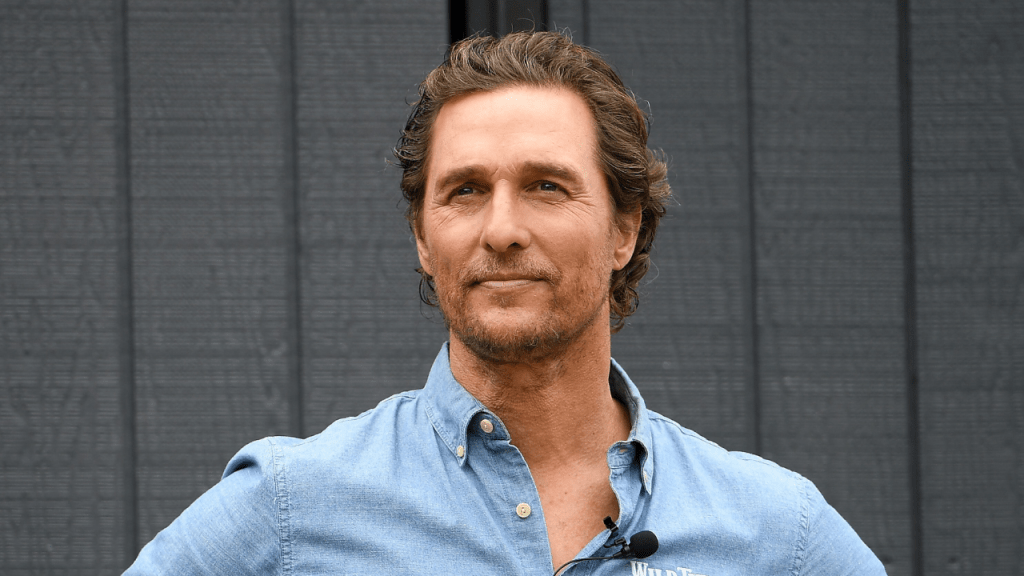
Something strange is happening in Hollywood.
A handful of legendary actors are stepping directly into the future, handing their voices to artificial intelligence. At the same time, others are treating the very same technology like a threat that could burn their entire craft to the ground.
And whether we like it or not, this divide is shaping the next decade of the entertainment industry.
When the icons say yes
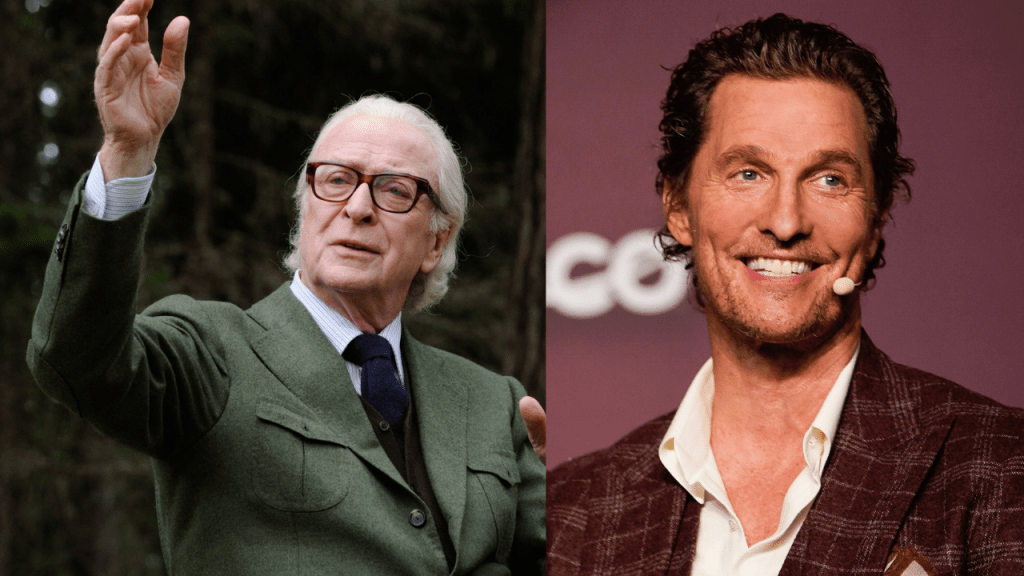
Two of the most recognizable voices in film have chosen to license their vocal identity to an AI company and they are not exactly unknown names. Matthew McConaughey and Michael Caine have both partnered with ElevenLabs to create AI versions of their voices.
McConaughey, who has been involved with the platform for years, plans to use the cloned version of his voice to release a Spanish version of his newsletter Lyrics of Livin. He sees the tech as a way to expand creative reach without diluting the message.
Caine took an even more commercial route. He listed his voice in the Iconic Voice Marketplace, a catalog where brands and creators can pay for legal access to AI versions of celebrity voices. His digital double now sits alongside AI replicas of public figures such as Judy Garland, John Wayne, Babe Ruth, Alan Turing and others.
And McConaughey is not the only political adjacent figure exploring this space. Melania Trump used an AI recreation of her voice to produce the audiobook version of her memoir.
For some actors, this is not a threat. It is a new revenue stream. A way to scale presence. A way to stay relevant. A way to work less and earn more.
But that is not the whole story.
When the icons say absolutely not
For every performer who sees opportunity, there is another who sees the apocalypse.
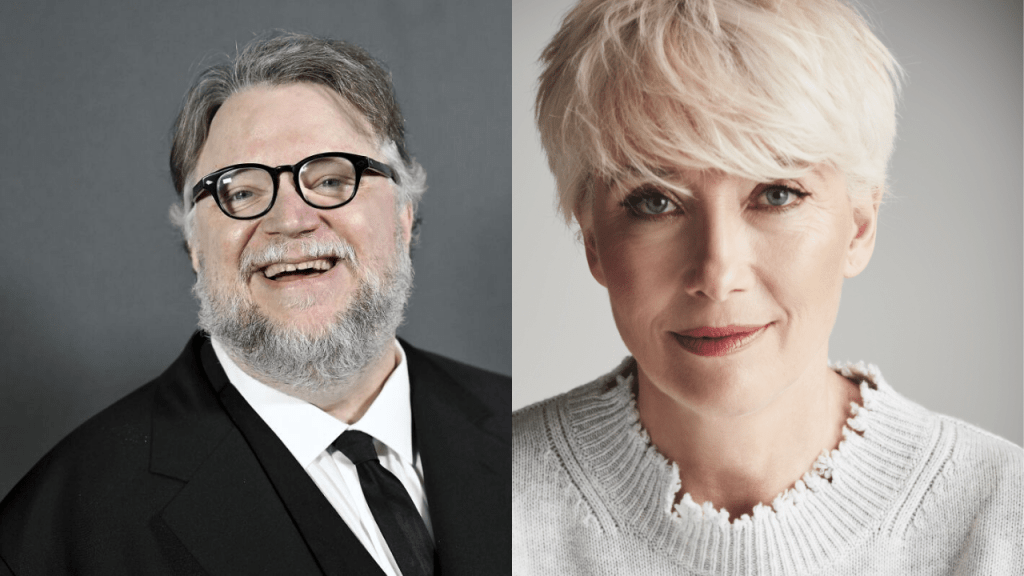
Guillermo del Toro recently made his stance extremely clear during a screening of his film Frankenstein. He expressed deep hostility toward generative AI and later told NPR he would rather die than let AI play any part in his creative process.
Emma Thompson voiced her own frustration in an interview after being offered automated script rewrites. Her message was simple. The machine is not the writer. The writer is the writer and does not require unsolicited help.
Robert Downey Jr went so far as to publicly promise legal retaliation toward anyone who attempts to create an AI version of his Iron Man character without explicit authorization. Nicolas Cage described AI as inhumane and warned emerging actors that the technology aims to take away the very thing they spend years cultivating.
In France, the voice actor Boris Rehlinger has been rallying performers to protect their craft from being erased, stating plainly that he feels threatened even before his voice has been replaced.
None of these fears are theoretical. They are grounded in ongoing labor battles.
The Screen Actors Guild went on strike for 118 days in 2023 to secure protections against AI misuse. Video game performers fought through a separate strike in 2024 and secured a contract that requires cryptographic proof and explicit consent for any AI generated performance.
The struggle is not fiction. It is happening right now.
The real issue is not AI. It is consent.
This is where Auribus draws a line that many companies ignore.
The debate is not about whether AI is good or bad. It is about who controls the voice. Who gives permission. Who gets paid. And who gets erased.
AI is not inherently unethical.
Stealing someone’s identity is.
AI is not the problem.
Using someone’s voice without consent is.
There is a difference between a tool that expands creativity and a technology that replaces the very people who built the industry.
McConaughey and Caine represent one side of the future. Del Toro, Thompson, Downey Jr and Cage represent the other. Both sides have valid concerns.
The real question is whether the industry will follow the path of structured, ethical collaboration or the path of unregulated exploitation.

Where we stand
At Auribus the answer is clear.
Every voice you hear on our platform belongs to a real singer or performer who was invited, recorded professionally, compensated fairly and protected legally. Every model is trained with explicit permission. Every use is tied to a sustainable system that pays the artist.
We believe inspiration should never come at the cost of exploitation.
The future of AI vocals should feel like collaboration rather than extraction.
Hollywood is divided because the stakes are high.
Careers are at risk. Legacies are at risk. Identity is at risk.
But there is a version of the future where technology amplifies the artist instead of replacing them.
That is the future we are building.
 Auribus Blog
One response to “The AI Voice Divide in Hollywood: Inspiration, Opportunity, or a Fight for Survival?”
thank you
LikeLike